
Online Substance Use Counseling | Top Therapists for Help
- Set up a free & confidential chat on your substance use related issues
- Unlimited help through behavioral counseling app
- Live video or chat sessions with experienced mental health therapists
Begin Therapy
Consult online with best Therapist
Get the Best Help for Behavioral & Dependency Issues
TherapyMantra is here to support you on your journey toward healthier habits and emotional well-being. We connect you with experienced therapists who specialize in dependency, compulsive behaviors, and substance-related challenges—available 24/7 via video calls or messages.
Match with Expert Counselors
We connect you with skilled therapists experienced in behavioral and dependency-related concerns, based on your personal needs.
Affordable and Effective
Our online sessions are up to 90% more affordable than in-person therapy and are available anytime, anywhere.
Self-Care & Ongoing Support
Access self-care tools, helpful videos, chat groups, guided meditations, breathing exercises, and other resources to support long-term well-being.
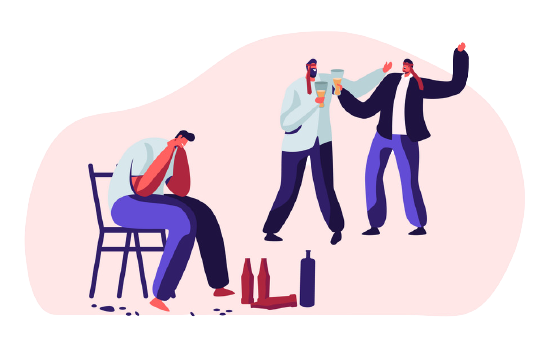
Wondering if it’s just a phase or something more? Take our Free online substance use disorder counseling test to find out?
How it works?
You are matched with a qualified counselor based on your needs and preferences. You get access to a secure private therapy room where you can communicate with your counselor through chat or phone. You can talk openly, share concerns, and ask questions related to dependency, habits, or compulsive behaviors.

Register for Counseling
Fill out a quick 5-minute online form to tell us about your concerns, challenges, and goals.

Consult with your Counselor
We match you with experienced counselors available 24/7, based on your preferences and support needs.
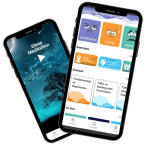
Connect to Our App
In addition to video or chat sessions, our app offers self-care tools, helpful videos, guided meditations, and resources to support healthier habits and emotional balance.
Find Best Online Therapists & Counselors
TherapyMantra psychologists use positive conversations, guided exercises, and calming meditations to help you manage unhealthy habits, compulsive behaviors, and dependency-related challenges. Our counselors offer more flexibility and support than traditional counseling. You get matched from a pool of 500+ experienced counselors, with access to 24/7 unlimited private chat, so help is always available when you need it.





What Is Compulsive Dependence?
Compulsive dependence is a strong urge to keep using a substance or repeating a behavior, even when it is clearly causing harm in life. It doesn’t just affect the individual—it also impacts friends, family members, and loved ones.
This harmful cycle can be very hard to stop without support. The good news is that there are effective treatment options available that help people regain control, improve their well-being, and rebuild their lives.
Compulsive dependence is a complex condition that affects how the brain works and how a person behaves. It is marked by repeated urges and loss of control, despite negative consequences. Over time, repeated exposure to certain substances or behaviors can strengthen these patterns and make them harder to break.
Different Types of Compulsive Behaviors
Many people are in denial, but most of us develop strong habits or dependencies in some form. Even something that starts as harmless fun can slowly turn into a pattern that’s hard to control. While people may not always recognize it themselves, it often becomes clear when a behavior starts causing problems in daily life.
- Substance dependence is one of the hardest patterns to overcome because people become attached to how a substance makes them feel. That temporary “high” can be very tempting, and some individuals may go to extreme lengths to experience it again.
- Alcohol dependence is also very common. In some cases, it can be easier to manage because people can monitor how much they drink. While heavy drinking can be dangerous and even life-threatening, having an occasional drink does not automatically mean someone has a serious problem.
- There are also behavior-based dependencies, such as gambling or compulsive sexual behavior, which may sometimes appear together in the same person.
- Some patterns are not physical at all. Emotional dependency, obsession with self-image, or letting work take over one’s entire life are also examples of unhealthy attachments that can affect mental and emotional well-being.
Different Treatment Options for Substance and Behavior Issues
There are several treatment options available to help people overcome unhealthy substance use or compulsive behaviors, such as:
- Inpatient Treatment: Inpatient treatment requires you to stay at a rehabilitation center for the full length of your care. The main benefit is that you are in a safe, controlled environment where drugs or alcohol are not available. This setting offers strong emotional and medical support, helping individuals focus fully on recovery.
- Outpatient Treatment: Outpatient treatment is a less intensive option that allows you to live at home while receiving care. It usually includes meeting with a therapist or counselor multiple times a week and attending group sessions. This option works well for people who need support but can still manage daily responsibilities.
- Medication-Assisted Treatment (MAT): Medication-assisted treatment uses prescribed medicines to help manage cravings and reduce the urge to return to substance use. These medications support recovery when combined with therapy and counseling. Commonly used medications include:
Methadone
Buprenorphine
Naltrexone
How Can Therapy Help With Substance or Behavioral Dependence?
Therapy can help people who are struggling with substance or behavioral dependence in many ways.
First, therapy helps people understand their dependence and how it developed. This understanding makes it easier to choose the right kind of support for their recovery.
Second, therapy provides encouragement and emotional support. A therapist helps people stay motivated and committed to their recovery plan.
Third, therapy teaches healthy ways to manage stress, emotions, and difficult situations without relying on substances or harmful behaviors.
Lastly, therapy offers a safe and private space where people can openly talk about their challenges, feelings, and anything else that may be causing stress in their lives.
Therapy Options for Substance Use & Behavioral Challenges
There are many effective therapy approaches available to support people dealing with substance use or behavioral challenges:
- Cognitive Behavioral Therapy (CBT): A structured form of therapy that helps individuals understand the link between thoughts, emotions, and behaviors. CBT supports healthier thinking patterns, stress management, and positive behavior change.
- Motivational Interviewing (MI): A person-centered, goal-oriented approach that helps individuals explore mixed feelings and strengthen their own motivation to make meaningful changes.
- Solution-Focused Therapy: A goal-driven approach that emphasizes strengths, resources, and practical solutions rather than focusing on problems. It helps individuals move toward positive, achievable outcomes.
- Motivation Enhancement Therapy (MET): A supportive therapy that focuses on increasing readiness for change. Sessions help individuals build motivation and create a clear, personalized plan for healthier habits.
- Dialectical Behavior Therapy (DBT): An evidence-based approach that teaches skills to manage intense emotions, tolerate distress, and improve relationships—especially helpful for emotional regulation and stress coping.
- Acceptance and Commitment Therapy (ACT): ACT encourages mindfulness, acceptance of thoughts and feelings, and living in alignment with personal values rather than reacting to urges or unhelpful patterns.
How to Find the Right Therapist for Substance Use & Behavioral Challenges
Finding the right therapist is an important step toward healing and personal growth. Look for a licensed counselor or mental health professional who specializes in substance use concerns or behavioral challenges, understands your unique experiences, and provides a safe, non-judgmental space. The right therapist can help you identify triggers, develop healthy coping strategies, and improve your overall emotional well-being.
At TherapyMantra, we make it easy to connect with trusted professionals. Our Therapist Directory features 500+ certified therapists, psychologists, and counselors worldwide who specialize in supporting individuals with substance use concerns and habit-related challenges.
Whether you’re seeking support for alcohol or substance use, dependency concerns, or behavioral patterns such as excessive internet use or gambling, you can find a therapist who matches your needs and preferences.
All sessions are online, private, and affordable, making it easier to begin your healing journey from the comfort of your home.
10,000+ Happy Patients

“After years of struggling with substance use challenges, TherapyMantra helped me release a lot of deeply buried emotions. I had tried counseling before, which did help, but TherapyMantra truly helped me shift my perspective and feel hopeful about building a healthier, happier life.”
Kevin,
1 year on TherapyMantra
FAQs
Counseling for substance use concerns helps people who are struggling with unhealthy habits or behaviors. It offers emotional support, simple coping skills, and a personal care plan to reduce cravings, manage urges, and prevent slipping back into old patterns.
The four C’s help explain when a habit becomes a serious concern:
Compulsion – feeling a strong urge to use
Cravings – wanting it again and again
Consequences – continuing despite harm
Control – difficulty stopping or cutting down
Common causes include long-term stress, past trauma, mental health challenges, and family history. Understanding these causes can help people take early steps toward healing.
Some common signs include:
- Trouble controlling use
- Pulling away from friends or family
- Breaking promises or missing responsibilities
- Ignoring risks or harmful effects
Withdrawal can cause symptoms like shaking, anxiety, confusion, sweating, fast heartbeat, or hallucinations. Severe symptoms can be dangerous and need immediate medical care.
Yes. TherapyMantra provides safe, affordable online counseling. You can talk to certified therapists through secure video or chat sessions from your home.
TherapyMantra supports people dealing with alcohol use, drug use, smoking, internet overuse, gambling concerns, and compulsive sexual behavior.
Yes, completely. All TherapyMantra sessions are private and confidential. Your information is protected, and we follow strict privacy and data safety rules.