
Is It Love or Emotional Dependency Test
3 Min Free Love or Emotional Dependency Assessment
What is Love or Emotional Dependency?
Love or emotional dependency, also known as obsessive love or unhealthy relationship attachment, is a pattern of unhealthy and repetitive behaviors in romantic relationships. People with emotional dependency often feel an intense need to be in a relationship or to feel loved at all times. They may constantly look for new relationships or become overly attached to their partner.
Emotional dependency is marked by relying heavily on romantic relationships for self-worth, validation, and emotional comfort. People experiencing this may have a strong fear of being left alone and may do everything they can to avoid separation. They often repeat the same relationship patterns, such as being drawn to emotionally unavailable partners or staying in unhealthy relationships even when it causes emotional pain.
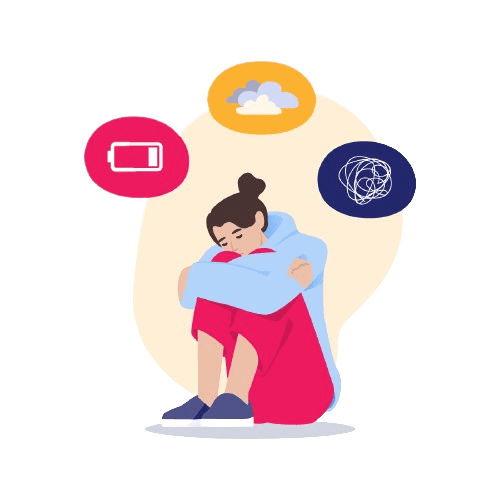
Symptoms of Love or Emotional Dependency
- Preoccupation with Romance
- Excessive Fantasizing
- Serial Monogamy
- Fear of Abandonment
- Reliance on External Validation
- Neglecting Personal Responsibilities
- Tolerance and Withdrawal
- Compromising Personal Values
- Repeated Relationship Patterns
- Loss of Identity
- Difficulty Setting Boundaries
- Emotional Turmoil
Who Can Benefit From This Love or Emotional Dependency Assessment?
This Love or Emotional Dependency Assessment can be helpful for people facing relationship challenges, those who move quickly from one relationship to another, individuals with a strong fear of being left alone, people who struggle with codependency, or those who neglect personal responsibilities because of relationships. It can also benefit individuals who seek emotional highs and lows, feel unsure about their identity outside relationships, experience distress after a breakup, or simply want to improve their emotional well-being and relationship patterns.
The assessment helps identify unhealthy relationship patterns and behaviors, offering insight into the emotional factors behind these challenges. It encourages self-understanding and can guide individuals toward the right support, such as therapy or counseling. Recognizing and working through emotional dependency can lead to better self-awareness, stronger emotional balance, and healthier, more fulfilling relationships.
Types of Love or Emotional Dependency Assessment
Emotional Awareness Exercises
These exercises help individuals notice and understand their emotions and triggers related to romantic relationships. This may include journaling, mindfulness activities, or guided self-reflection.
Relationship History Analysis
This involves closely looking at previous romantic relationships to identify repeated patterns and behaviors. Examples include entering relationships too quickly or constantly seeking intense emotional closeness.
Attachment Style Assessment
Understanding attachment styles—such as anxious or avoidant attachment—can offer insight into how a person approaches relationships. This helps explain emotional needs, fears, and reactions within romantic connections.
Self-Reflection Questionnaire
Structured questionnaires encourage individuals to reflect on their thoughts, emotions, and behaviors in relationships. These tools assess attachment styles, dependency levels, and how much emotional focus is placed on romantic partners.
Clinical Interviews
Conversations with trained mental health professionals can help individuals explore their relationship patterns, emotional reliance, and coping strategies in a safe and guided way.
Psychological Assessments
General psychological tools can provide insight into underlying concerns such as self-esteem issues, codependent tendencies, or attachment challenges that influence relationship behavior.
Handling Love or Emotional Dependency
Handling love or emotional dependency involves taking steps to change unhealthy relationship patterns and build emotional balance. Below are some practical ways to manage and overcome emotional dependency in relationships:
- Acknowledge the Pattern: The first step is recognizing that you may rely too heavily on romantic relationships for emotional security or self-worth. Accepting this pattern helps you understand how it affects your well-being and relationships.
- Seek Professional Support: Talking to a therapist or counselor who works with relationship issues can be very helpful. They can guide you, offer emotional support, and help you develop healthier relationship habits.
- Build a Support System: Surround yourself with supportive friends, family members, or support groups. Having people who understand and encourage you can make the healing process easier and less lonely.
- Understand Emotional Triggers: Spend time reflecting on what triggers strong emotional reactions in relationships. Past experiences, unresolved emotional pain, or fear of abandonment may play a role in emotional dependency.
- Set Healthy Boundaries: Learning to set boundaries is essential. Communicate your needs clearly, respect your limits, and make space for your own emotional and personal well-being.
- Focus on Personal Growth: Invest time in yourself. Build self-confidence, explore hobbies, and set personal goals. Finding happiness outside of relationships helps reduce emotional reliance on others.
- Practice Mindfulness and Self-Awareness: Mindfulness techniques can help you stay present and better understand your emotions. This awareness makes it easier to notice unhealthy patterns and respond in healthier ways.
- Challenge Negative Beliefs: Work on changing negative thoughts like “I need someone to feel complete.” Replace them with healthier beliefs about self-worth and relationships.
- Use Healthy Coping Skills: Develop positive ways to cope with stress or loneliness, such as exercise, creative activities, relaxation techniques, or spending time with loved ones.
- Join Therapy or Support Groups: Participating in therapy or relationship-focused support groups provides a safe space to share experiences, learn from others, and grow emotionally.